Same Day Emergency Garden Clearance N16 Fast Gardeners Available
If your garden has gone from "needs a tidy" to "this needs sorting today", you are not alone. Weather, overgrowth, fallen branches, dumped waste, or a sudden end-of-tenancy deadline can turn a normal outside space into a proper headache. That is where same day emergency garden clearance in N16 fast gardeners available can make a real difference. The aim is simple: get the space safe, usable, and under control as quickly as possible, without creating more stress.
In a busy part of North London, speed matters. So does common sense. Emergency clearance is not just about removing debris. It is about understanding what needs to go first, what can wait, and how to work efficiently when time is tight. This guide walks through how it works, what to expect, and how to choose a service that is quick but still careful.
For a broader look at the full range of services behind this kind of work, you may also want to see the services overview and the dedicated garden clearance page.
Expert summary: Emergency garden clearance is best handled as a prioritised job: make it safe first, remove the biggest obstacles next, then finish with disposal, tidy-up, and a quick check that nothing important has been missed. Fast is good. Controlled is better.
Table of Contents
- Why Same day emergency garden clearance N16 fast gardeners available Matters
- How Same day emergency garden clearance N16 fast gardeners available Works
- Key Benefits and Practical Advantages
- Who This Is For and When It Makes Sense
- Step-by-Step Guidance
- Expert Tips for Better Results
- Common Mistakes to Avoid
- Tools, Resources and Recommendations
- Law, Compliance, Standards, or Best Practice
- Options, Methods, or Comparison Table
- Case Study or Real-World Example
- Practical Checklist
- Conclusion
- Frequently Asked Questions
Why Same day emergency garden clearance N16 fast gardeners available Matters
Emergency clearance matters because an overgrown or cluttered garden can create more than an eyesore. It can block access, hide trip hazards, attract pests, and make it difficult to use the property properly. In some cases, the problem is urgent because you need the garden cleared before visitors arrive, a tenancy handover takes place, or a builder can start work. Let's face it, when the outside space is a mess, everything else feels harder too.
In N16, many gardens are compact, rear-access is tight, and neighbours are often close by. That means a slow, noisy, messy approach can cause avoidable friction. A same day team should know how to work cleanly, keep disruption down, and move through the job in a sensible order. Speed is only useful if the result is genuinely practical.
There is also a safety angle. Branches on pathways, wet rotting debris, broken pots, loose fencing, or piles of cuttings can create hazards fast. If children, elderly relatives, tenants, or tradespeople need to move through the space, waiting a few days may not be ideal. Sometimes it is more than untidy. Sometimes it is just not safe.
This is why emergency clearance is often the first step before anything else. Once the garden is clear, you can actually see what is happening out there. That clarity is underrated.
How Same day emergency garden clearance N16 fast gardeners available Works
The process usually begins with a quick call or enquiry and a short description of the issue. The key details are simple: what needs removing, how accessible the garden is, whether there is waste to bag and take away, and whether anything presents a safety concern. If there is a photo available, that often helps speed things up. A good team can usually judge the scale of the job surprisingly quickly.
Same day work depends on timing, team availability, and the nature of the garden. A small front or rear clearance may be handled in a single visit. Bigger or more complicated jobs may still be started the same day, even if follow-up work is needed later. That is normal. Not every problem needs to be solved in one heroic sprint.
Once on site, the team should walk through the space, confirm priorities, and start with the most urgent tasks. That may include:
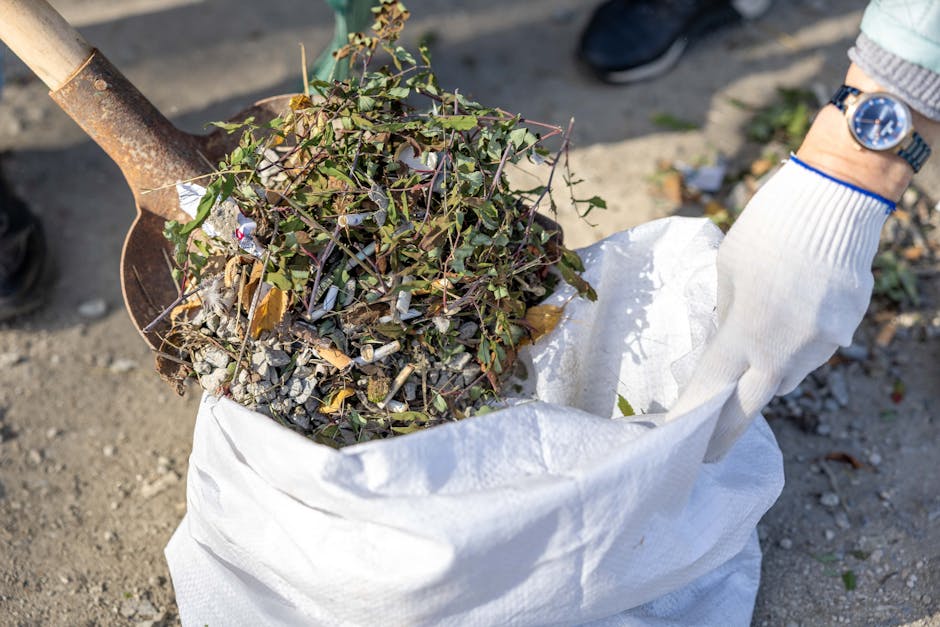
- removing loose green waste
- cutting back unsafe overgrowth
- lifting broken or bulky garden items
- clearing access routes and paths
- loading waste for removal
- leaving the area swept and safer than before
For garden jobs that go beyond simple clearance, the next sensible step may involve garden maintenance, lawn mowing, hedge trimming, or even tree lopping and removal if there are branches, dangerous limbs, or an awkward tree creating the immediate issue.
Truth be told, emergency clearance works best when the customer is clear about the priority. If the goal is "just make it safe today", say that. If the goal is "clear everything and tidy the place properly", that is helpful too. The more specific the brief, the faster the response usually feels.
Key Benefits and Practical Advantages
The biggest benefit is obvious: you get fast help when you need it. But there is more to it than speed alone. A well-handled emergency clearance can make a garden easier to use, easier to sell, easier to hand over, and easier to maintain afterwards. The good work is often the work that saves trouble later.
Here are the main advantages people tend to value:
- Immediate risk reduction: loose rubbish, broken branches, and unstable debris are removed quickly.
- Better access: paths, gates, and rear entry points are opened up again.
- Cleaner presentation: the whole property feels more cared for.
- Less stress: you do not have to coordinate several jobs or spend a weekend battling brambles.
- Smarter follow-up: once cleared, longer-term improvements become easier to plan.
There is also a practical financial angle. Clearing a garden promptly can sometimes prevent further damage. For example, fallen branches left too long may damage fences, and wet piles of waste can turn into a much uglier, heavier, harder-to-move problem. Get it done early and you often avoid the mess multiplying. Sounds obvious, but people delay it all the time.
If you are comparing providers, it helps to check the pricing and quotes information so you know what is typically included and what may be classed as an extra.
Who This Is For and When It Makes Sense
Not every garden needs emergency clearance. But if you are dealing with one of the situations below, same day help can be the right move:
- End of tenancy: the outdoor space needs to be handed back quickly.
- Property sale or viewing: you need the garden to look presentable now, not next week.
- Post-storm damage: branches, leaves, and debris have landed everywhere.
- Overgrown access: you cannot safely reach a shed, side passage, or rear gate.
- Before building work: the site has to be cleared so contractors can start.
- After a long period of neglect: the job has become too big for a quick DIY tidy.
- Health or mobility issues: the work is physically too much to handle alone.
It is also common for landlords, letting agents, homeowners, and small businesses with outdoor frontage to need rapid help. In each case, the problem is the same: the space needs to be usable again, and it needs to happen fast. A family garden with toddlers in the house is one thing; a shared rear yard with broken glass and old timber in it is another. The urgency level changes quickly.
For people thinking beyond the immediate clear-up, this can be a good moment to explore landscaping or landscape gardening once the urgent mess is out of the way. First the clear-up, then the improvement. That order usually makes sense.
Step-by-Step Guidance
If you want the fastest possible result, the process works best when both sides keep things simple. Here is a practical way to approach it.
- Describe the problem clearly. Say what the garden looks like, what needs removing, and whether there are safety issues. "A few bags of waste" is very different from "a large pile of branches and an inaccessible back corner".
- Send photos if you can. A couple of decent phone pictures can save time and avoid guesswork. No need for a perfect photo shoot, just enough to show the scale.
- Confirm access. Let the team know about side gates, narrow passages, parking limitations, or awkward entry points. In N16, that kind of detail matters more than people realise.
- Agree the priority. Do you want full clearance, or a safety-first quick tidy? Be specific.
- Check what disposal is included. Waste removal should be discussed upfront so there are no surprises later.
- Prepare the area if possible. Move pets indoors, keep pathways open, and if you can safely do so, put aside anything you want to keep.
- Walk the garden after the work. Check that the main issues have been dealt with and that there are no missed hazards.
A small but important point: if there are hidden items in the overgrowth, say so. Old ornaments, tools, children's toys, and even utility covers can get buried under a season or two of growth. A rushed crew can only avoid damage if they know what to look for. That sounds simple because it is simple.
Expert Tips for Better Results
Fast clearance does not need to feel chaotic. A few good habits make the difference between a stressful same day job and a smooth one.
1. Separate urgent from non-urgent. If a branch is blocking access, that comes first. If the border just looks scruffy, that can wait ten minutes. Prioritising saves time and energy.
2. Be honest about the condition of the garden. People sometimes underplay the amount of waste because they do not want to sound difficult. But if the job is bigger than expected, it only slows things down later. Better to be plain.
3. Ask what happens to the waste. Good clearance is not just "take it away"; it is about responsible disposal and sorting where possible. If sustainability matters to you, take a look at the site's recycling and sustainability approach.
4. Think about the next step. Once the garden is clear, do you need mowing, hedge work, or a recurring maintenance plan? It is often cheaper and calmer to bundle sensible follow-up work rather than leave the garden to deteriorate again.
5. Keep communication short and direct. On same day jobs, long emails slow everything down. A phone call, photos, and a clear brief usually do the trick. Very unglamorous, but it works.
6. Use the clear-out as a reset point. After the emergency is handled, you can decide whether the garden needs a simple tidy or a more ambitious redesign. If that is the direction you want, landscaping may be worth exploring once the space is stable.
Common Mistakes to Avoid
Emergency garden work is where small mistakes become expensive or annoying. Here are the ones that come up most often.
- Waiting too long: the longer the debris sits, the heavier, wetter, and harder it becomes to remove.
- Booking on price alone: the cheapest quote is not always the best if it does not include proper waste handling or enough labour.
- Giving vague instructions: "clear the garden" can mean very different things to different people.
- Forgetting access details: if the team cannot get equipment in, the job slows down.
- Not checking credentials: useful providers should be clear about their safety and insurance arrangements.
- Assuming everything can be done in one pass: sometimes same day means immediate clearing, with further work arranged later. That is still a win.
One other thing: do not be tempted to clear obviously dangerous material yourself just to save time. Broken glass, unstable branches, and rotten timber can go from nuisance to injury very quickly. Best not to be a hero for ten minutes and regret it for ten days.
Tools, Resources and Recommendations
A proper emergency clearance team usually relies on practical, workhorse equipment rather than fancy kit. The exact tools depend on the job, but the essentials commonly include:
- heavy-duty gloves
- loppers and secateurs for smaller growth
- brush cutters or strimmers for overgrowth
- rakes, brooms, and litter pickers
- wheelbarrows or garden sacks
- tarps or loading sheets
- cutting tools for branches and bulky waste
- safe lifting gear for awkward items
From a customer point of view, the most useful resources are surprisingly simple:
- Photos of the problem area before the visit
- A quick written list of what must stay and what must go
- Access instructions if parking or entry is tricky
- A rough timeline for when the space needs to be ready
If you are comparing wider garden support after the emergency clear-up, the linked pages for lawn mowing, hedge trimming, and garden maintenance can help you think in terms of a full routine rather than one-off fixes.
Law, Compliance, Standards, or Best Practice
For garden clearance, the important thing is not to turn the subject into a legal maze. In plain English, there are a few best-practice points worth knowing. Waste should be handled responsibly, property access should be respected, and any risky work should be carried out with suitable care. That sounds basic because it is basic, but you would be surprised how often it gets overlooked.
In the UK, good garden clearance practice normally means keeping the job tidy, avoiding damage to neighbouring property, and treating waste correctly rather than just shifting it out of sight. If a team is removing green waste, branches, soil, old outdoor furniture, or mixed rubbish, it should be dealt with in a way that reflects current environmental expectations and sensible site safety. If there are tree-related hazards, the work should be approached carefully and not treated like a casual DIY chop.
Insurance matters too. Any provider doing urgent outdoor work should be able to discuss insurance and safety in straightforward terms. If that subject matters to you, the site's insurance and safety information is a useful place to start. You may also want to read the health and safety policy for a sense of how the company approaches risk and site behaviour.
Best practice also means keeping expectations realistic. Same day work is about urgency and practical outcomes, not miracles. If a garden has been neglected for years, the first visit may focus on access and safety before full visual perfection. That is still the right order of work.
Options, Methods, or Comparison Table
There are a few ways to deal with an urgent garden problem. The right choice depends on time, scale, and how much of the mess you want handled at once.
| Option | Best for | Pros | Limitations |
|---|---|---|---|
| DIY same day tidy | Very small jobs and light debris | Cheap, immediate, flexible | Slow, tiring, riskier with heavy or sharp waste |
| Emergency garden clearance team | Fast turnaround and larger or unsafe mess | Quick, efficient, safer, waste removal included more often | Cost is higher than doing it yourself |
| Clearance plus maintenance | Gardens that need an urgent reset and ongoing care | Better long-term condition, less repeat mess | May need more planning than a single visit |
| Clearance plus redesign | Spaces that are beyond a simple tidy | Transforms the garden after the clean-up | Not the fastest route if the issue is immediate |
For many N16 households, the emergency team option is the practical middle ground. DIY may be fine if there are only a few bags of leaves and some light pruning. But if the garden is badly overgrown, if waste is bulky, or if you need it handled today, professional same day clearance is usually the less stressful option. Honestly, sometimes the best bargain is the one that saves your back.
Case Study or Real-World Example
Here is a realistic example of how this kind of job often plays out. A homeowner in N16 has a rear garden that was manageable in spring, then a few windy weeks and a missed fortnight of maintenance turned it into a cluttered, awkward space. Branches had dropped, the path was partly blocked, and the lawn had disappeared under long grass and leaf build-up. The family had guests arriving that evening. Not ideal.
The first step was a quick assessment of the access and the most urgent hazards. The pathway came first, then the loose branches, then the waste that was making the space look and feel neglected. A small section of overgrowth near the fence was cut back to open up the garden. After that, the ground was cleared, swept, and checked for leftover debris.
The result was not a full garden transformation. It did not need to be. The important outcome was that the space was safe, presentable, and usable again on the same day. That is the point of emergency clearance: not perfection, but relief. A proper reset.
In many cases, the follow-up is what makes the real difference. A few days later, the homeowner may decide to book lawn mowing or hedge trimming to keep things from slipping back into chaos. Small habit, big payoff.
Practical Checklist
Before the team arrives, use this simple checklist to make the job smoother.
- Take a couple of photos of the garden
- List the items that must be removed
- Mark anything that should be left alone
- Check gate access and parking space
- Move pets to a safe indoor area
- Keep pathways clear if you can do so safely
- Decide whether you want clearance only or clearance plus tidying
- Ask how waste will be handled
- Confirm any urgent deadlines
- Do a final walk-through after the work is complete
If you want to turn one urgent visit into a more stable routine, it may also help to look at ongoing garden maintenance rather than waiting for the same problem to build up again. That is usually the calmer route, and to be fair, the easier one to live with.
Quick takeaway: the best emergency clearance jobs are clear, prioritised, and tidy. Good communication before the visit saves time on the day, and good aftercare stops the same problem returning next month.
Get a free quote today and see how much you can save.
Conclusion
Same day emergency garden clearance in N16 is about more than speed. It is about restoring control when the outside space has become a problem, and doing it in a way that feels sensible, safe, and genuinely helpful. Whether the issue is storm damage, overgrowth, access, or a deadline that cannot move, fast gardeners can make the difference between a stressful day and a manageable one.
The best results come from clear communication, realistic expectations, and a team that understands the difference between a quick rush and a proper job. Clear the hazard, open the space, tidy the result. Simple enough in theory, not always simple in practice. That is why the right help matters.
If you are comparing options and want to understand the wider business behind the service, you can also review the about us page or check the contact details when you are ready to move forward. A prompt response can make a surprisingly big difference when the clock is already ticking.
And once the garden is back under control, you will notice something small but important: the whole property feels lighter. Quieter, even. That is usually the first sign the hard part is done.
Frequently Asked Questions
What counts as emergency garden clearance?
Emergency garden clearance is any urgent outdoor clean-up that needs to happen quickly because of safety, access, deadline pressure, or sudden mess. Typical examples include storm debris, blocked paths, overgrown access, and gardens that need to be handed over the same day.
How fast can same day emergency garden clearance in N16 happen?
It depends on when you make the enquiry, the size of the job, and how accessible the garden is. Smaller jobs may be started and finished the same day, while larger clearances may be begun immediately and completed in stages. Fast response is possible, but it still needs a proper assessment.
Do I need to send photos before booking?
Photos are not always essential, but they help a lot. A few clear images usually make it easier to judge the amount of waste, access restrictions, and whether extra equipment or more labour is needed. It is one of those simple things that saves time for everyone.
Can emergency garden clearance include green waste removal?
Yes, in many cases it does. Clearance often includes loading and removing green waste such as branches, cuttings, leaves, and other garden debris. If the waste is mixed with bulky household rubbish or special items, that should be confirmed in advance.
What if my garden is badly overgrown?
Badly overgrown gardens are common in emergency work. The team will normally prioritise access, safety, and the biggest obstacles first. If a full tidy is needed, it may take more than one visit, but the important thing is getting the space under control quickly.
Is same day clearance more expensive than a planned visit?
It can be, because emergency work often depends on immediate availability and faster scheduling. That said, the real value is in the speed and convenience. If you want a better sense of cost structure, the pricing and quotes page is the best place to begin.
What should I do before the gardeners arrive?
Move pets inside, clear a path if it is safe to do so, and make a short list of what needs removing. If you have items you want to keep, separate or mark them clearly. A tiny bit of prep can save a surprising amount of time.
Can emergency clearance help before a property viewing or tenancy handover?
Yes. That is one of the most common reasons people ask for same day help. A cleared garden instantly improves presentation and helps the property feel more cared for, even if there is no time for a full makeover.
What happens if the job is bigger than expected?
If the garden turns out to be larger or more complex than first described, the team may focus on the urgent parts first and then discuss follow-up work. This is normal. Good communication before the visit reduces the chance of surprise, but sometimes hidden problems only become obvious once the space is opened up.
Is emergency garden clearance safe for damaged trees or branches?
It can be, but unstable or high-risk tree work should be handled carefully. If the issue involves dangerous limbs or tree removal, it may need more specialist attention. In those situations, the tree lopping and removal service is the better fit.
How do I know whether I need clearance or maintenance?
If the space is in immediate trouble, start with clearance. If the issue is recurring growth and general upkeep, maintenance is the better long-term solution. Quite often, the two work together: clear the mess first, then maintain the garden so it does not slide back into the same state.
Can I combine garden clearance with other services?
Yes, and in many cases that is the smartest approach. Once the urgent debris is gone, it can make sense to add lawn cutting, hedge work, or broader tidying. The services overview can help you think through the most practical combination.