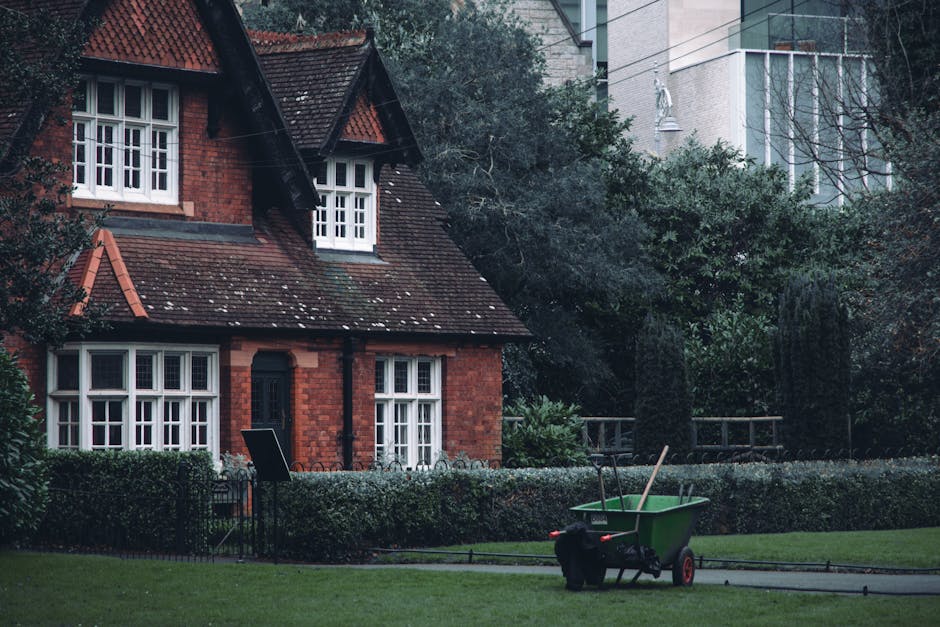
Best gardeners in Stoke Newington N16 for small front gardens
If you live in Stoke Newington and your front garden is more "neat little London strip" than "grand lawn", you already know the challenge. Small front gardens need a different kind of care: sharper edges, smarter planting, less clutter, and a garden team that understands awkward access, narrow spaces, and the reality of terraced streets. The Best gardeners in Stoke Newington N16 for small front gardens are usually the ones who can make a compact space feel calm, tidy, and genuinely welcoming without overcomplicating it.
This guide explains how to choose the right gardener, what good work looks like in a small front garden, where people often go wrong, and how to get the best result for your home. You'll also find a practical checklist, a comparison table, and a few local-minded tips that can save time, money, and a fair bit of head scratching.
Table of Contents
- Why Best gardeners in Stoke Newington N16 for small front gardens Matters
- How Best gardeners in Stoke Newington N16 for small front gardens Works
- Key Benefits and Practical Advantages
- Who This Is For and When It Makes Sense
- Step-by-Step Guidance
- Expert Tips for Better Results
- Common Mistakes to Avoid
- Tools, Resources and Recommendations
- Law, Compliance, Standards, or Best Practice
- Options, Methods, or Comparison Table
- Case Study or Real-World Example
- Practical Checklist
- Conclusion
- Frequently Asked Questions
Why Best gardeners in Stoke Newington N16 for small front gardens Matters
Small front gardens are easy to underestimate. They look simple from the pavement, but they can be surprisingly fiddly to maintain. One untidy hedge, one patch of weeds, one plant that grows a bit too enthusiastic, and suddenly the whole frontage feels tired. In a place like Stoke Newington N16, where homes often sit close to the street and front gardens help set the tone for the whole property, that first impression matters.
A good front garden gardener does more than "tidy up". They create proportion, order, and a clear sense of intention. That might mean shaping shrubs so they don't overwhelm the path, choosing lower-maintenance planting that suits shade or partial sun, or simply making the space look cared for without making it feel overworked. Truth be told, the best results often look effortless. But they rarely are.
For small spaces, the difference between average and excellent gardening shows up quickly. A rushed cut, poor pruning, or the wrong plant choice can make a tiny front garden feel even smaller. A thoughtful approach, on the other hand, can make it feel brighter, wider, and more inviting. You notice it when you come home in the evening. You notice it when the light catches the leaves after rain. Little things, but they add up.
Expert summary: In small front gardens, the best gardener is not necessarily the one who does the most. It is usually the one who understands restraint, balance, tidy finishes, and low-maintenance structure.
How Best gardeners in Stoke Newington N16 for small front gardens Works
Hiring a gardener for a compact front garden is usually a straightforward process, but the quality of the result depends on how well the work is planned. A good service normally begins with a quick assessment of the space: its size, light levels, access, condition, and what the homeowner wants it to achieve. Does the garden need a complete reset? A seasonal tidy? Regular maintenance? Or help turning a bare patch into something more attractive?
For front gardens, the work often falls into a few clear tasks:
- Pruning and shaping to keep shrubs compact and balanced
- Weeding and bed clearing to remove untidy growth before it spreads
- Planting or replanting with species that suit the light and available space
- Border edging to give the whole area a crisp, finished look
- Mulching to help keep moisture in and weeds down
- Light lawn care if there is a tiny patch of turf to maintain
- Waste removal so the garden is left neat rather than half-finished
Small front gardens often benefit from a "less, but better" approach. That means fewer species, more repetition, and a design that can be maintained without weekly fuss. A gardener who understands this won't push unnecessary complexity. They'll work with the shape you already have. That's a good sign.
In practical terms, many homeowners want a service that can be repeated monthly, seasonally, or after a period of neglect. The best gardeners in this niche are usually flexible: they can handle a one-off tidy before a sale or a more regular maintenance routine for year-round upkeep.
Key Benefits and Practical Advantages
There are some obvious benefits to hiring a skilled gardener for a small front garden, but the less obvious ones matter just as much.
1. Better kerb appeal without overdoing it. A well-kept front garden can make the entire property feel more looked after. Not flashy. Just neat, calm, and cared for.
2. More usable space. Small gardens can feel cramped when plants spill into paths or low shrubs block movement. Careful pruning and layout choices can make the area easier to walk through.
3. Easier ongoing maintenance. A smart initial tidy often reduces future work. If the right plants are chosen and the wrong ones removed, upkeep becomes much simpler.
4. Better plant health. Crowded or overgrown plants usually suffer. Light, air, and correct spacing make a difference, especially in London front gardens where conditions can be uneven.
5. Less stress for the homeowner. Let's face it, a tiny front garden can become one of those jobs you keep meaning to do. Handing it to a pro removes the nagging feeling and gets it done properly.
6. More thoughtful seasonal change. Small gardens respond well to subtle updates. A few new plants, a fresh mulch layer, or a sharper edge can make the garden feel renewed without a major redesign.
There's also a quieter benefit: pride. A front garden you actually like looking at changes how you feel coming and going. It sounds a bit sentimental, maybe, but it's true.
Who This Is For and When It Makes Sense
This kind of gardening service is a good fit for homeowners, landlords, sellers, and busy tenants who want the front of a property to look decent without spending every weekend on it. It is especially useful if your garden has any of the following:
- a narrow planting strip or tiny lawn
- overgrown shrubs that now feel too big for the space
- patchy plants that look tired or mismatched
- weeds growing through paving or borders
- a front path that feels cramped
- limited time for upkeep
- a need to improve the property's appearance before visitors, tenants, or buyers arrive
It also makes sense if you have inherited a garden from a previous owner and the style no longer suits your home. That happens a lot. One day it's a jungle of mystery shrubs and a leaning rose, the next day you're wondering why nobody can see the doorway properly. A good gardener can help reset that balance.
If you already know you want regular maintenance rather than a one-off intervention, make that clear early. Small gardens are easier to keep in shape than to rescue after months of neglect. Not impossible, just more work.
Step-by-Step Guidance
If you're choosing the best gardener for a small front garden in Stoke Newington N16, this simple process will help.
- Define the outcome. Decide whether you want a tidy-up, a light redesign, or ongoing care. "Make it look nicer" is fair, but it helps to be more specific.
- Assess the space honestly. Note sun, shade, drainage, access, and any awkward corners. Small details matter more in small gardens.
- Ask about relevant experience. Front gardens are not the same as large back gardens. Ask whether the gardener has worked on compact urban spaces before.
- Discuss plant preferences. Low-maintenance, pollinator-friendly, evergreen, seasonal colour, or privacy screening? You don't need everything. You just need the right mix.
- Get a clear quote. If the work includes waste removal, pruning height, planting, or recurring visits, make sure these are all included in the discussion. For more guidance on that side, see pricing and quotes.
- Check practical trust signals. Look for a business that is transparent about how it works, how it handles safety, and what happens if something goes wrong. The pages on about us and services overview are useful places to start.
- Agree the plan. A good gardener should explain what they will do, what they won't do, and what the garden may need next season.
- Review the result after the first visit. In a small garden, you can see quickly whether the work has been thoughtfully done. Edges, lines, and plant proportions tell the story straight away.
If you're booking a gardener for the first time, a short phone call or message exchange can reveal a lot. Are they asking decent questions? Do they understand the scale of the space? Do they sound like they've actually worked on compact London front gardens, or are they giving you a generic script? You can usually tell.
Expert Tips for Better Results
Here's where small front gardens get interesting. The best results usually come from a few simple decisions made well.
Keep the planting palette limited. A mix of too many colours and textures can make a small space feel busy. Repeating 2 or 3 plant types often looks more deliberate.
Think in layers. Use a low ground layer, a middle planting layer, and, if there is room, one or two focal shrubs. That structure helps the space read clearly from the pavement.
Prefer shape over volume. In tiny gardens, neat lines, rounded forms, and compact growth habits usually work better than sprawling plants.
Do not ignore the path edge. A crisp border or clean paving edge can change the feel of the whole front garden. Small job, big payoff.
Choose plants that can cope with London conditions. Front gardens here may face reflected heat, dry patches, street pollution, or shade from neighbouring buildings. The right plant for the wrong place is still the wrong plant.
Leave breathing room. It is tempting to fill every inch, especially when the space is tiny. But a little open ground, gravel, or mulch can help the whole garden feel calmer.
Book seasonal maintenance before things get out of hand. A spring tidy, a summer cut-back, and an autumn reset often work better than one huge annual overhaul. It's less stressful, frankly.
And one more thing: don't be afraid of a garden that looks simple. Simple can be elegant. Simple also tends to be cheaper to maintain. Convenient, that.
Common Mistakes to Avoid
Small front gardens are unforgiving in a good way. They show both good decisions and bad ones very quickly.
- Overplanting. Too many plants in too little space leads to crowding, disease, and constant cutting back.
- Choosing large shrubs by accident. A plant that looks neat in a pot can become a giant in two years. Always ask about mature size.
- Ignoring shade and drainage. What works in a sunny rear garden may fail at the front, especially near walls or pavements.
- Skipping regular pruning. Shrubs left too long become woody, awkward, and harder to shape well later.
- Leaving debris behind. A tidy cut is only half the job if bags of clippings are left by the gate.
- Not checking access. Narrow paths, steps, bins, and parked cars can slow work down. The gardener should factor that in.
- Hiring purely on the cheapest quote. A low quote can be fine, but if it excludes clear scope, waste removal, or proper finishing, you may pay for it twice.
A small front garden can hide a lot of poor workmanship for a week or two. Then the uneven line appears. Then the missed weeds. Then the "why does this look slightly off?" feeling. Better to do it properly once.
Tools, Resources and Recommendations
Good gardeners bring the right tools, but homeowners can still make decisions easier by understanding what matters.
Common tools for small front gardens:
- hand shears for precise shaping
- lightweight pruners for trimming shrubs and stems
- weeding tools for narrow borders and paving cracks
- spade or border fork for reworking planting beds
- mulch and compost for improving soil and moisture retention
- bagging and waste collection equipment for a clean finish
Useful resources on the service side:
- services overview if you want to understand what types of gardening support are available
- pricing and quotes to see how project scope may affect cost
- recycling and sustainability if you care about green waste handling and environmentally considerate practice
- contact options when you're ready to ask questions or arrange a visit
Homeowner-friendly recommendations:
- take a few photos of the garden from the street and from the doorway
- note which parts get morning sun, afternoon sun, or almost no light
- write down your "must keep" plants before any redesign
- decide whether you prefer structured evergreen planting or seasonal colour
- if you share the frontage with neighbours, agree any boundary-sensitive work in advance
That little bit of prep makes everything smoother. It also helps avoid the classic "I thought you meant the other shrub" moment. Happens more than you'd think.
Law, Compliance, Standards, or Best Practice
For domestic gardening work, the main concerns are usually safety, access, waste handling, and clear communication. While small front garden maintenance is not heavily regulated in the way building work can be, professional gardeners should still follow sensible UK best practice.
That typically means:
- working safely around steps, paths, entrances, and public-facing areas
- using tools responsibly and keeping the site tidy during and after work
- being clear about what is included in the quote
- handling green waste appropriately
- being transparent about insurance and safety arrangements where relevant
If a gardener is working near a public pavement, front gate, or shared access, they should think carefully about trip hazards, tool storage, and leaving the area safe for residents and passers-by. Common sense matters here. A lot.
If you want extra reassurance, look for clear policies around health and safety and insurance and safety. Those pages help show that the business takes its responsibilities seriously rather than treating safety as an afterthought.
For payment, terms, and handling of personal information, it is also sensible to review payment and security, privacy policy, and terms and conditions. That's not just paperwork. It tells you how the service operates and what to expect if there is a disagreement or a change in schedule.
If a provider has a clear complaints route, that is another trust signal. It suggests there is a proper process behind the service, not just ad hoc promises made over the phone. For peace of mind, you can also review their complaints procedure.
Options, Methods, or Comparison Table
Not every small front garden needs the same type of help. Here's a simple comparison to make the choices easier.
| Approach | Best for | Strengths | Limitations |
|---|---|---|---|
| One-off tidy | Overgrown or neglected front gardens | Fast improvement, immediate visual impact | Needs follow-up to stay neat |
| Seasonal maintenance | Gardens that change with the year | Good balance of cost and upkeep | Less ideal if the garden grows quickly between visits |
| Regular monthly care | Front gardens that must always look sharp | Consistent results, easier to manage | Ongoing commitment |
| Light redesign and planting | Spaces that look cluttered or poorly arranged | Can improve long-term maintenance and appearance | Needs planning, not just labour |
For most small front gardens, the sweet spot is either seasonal maintenance or a tidy-up followed by a light maintenance plan. If the space is already well designed, monthly touch-ups may be all you need. If it is currently in a bit of a state, a reset first makes everything easier.
Case Study or Real-World Example
Imagine a typical Stoke Newington frontage: a narrow path, a couple of tired shrubs, some weeds in the border, and one plant that has clearly had ambitions beyond its station. Nothing dramatic. Just a garden that has quietly drifted from "nice enough" to "a bit scruffy".
The homeowner wants it to look welcoming without turning it into a high-maintenance showpiece. The gardener starts by clearing weeds, cutting back one overgrown shrub, and reducing the height of another so the front window feels less blocked. They keep one healthy evergreen as a structural anchor, then add a lower planting layer that won't spill over the path. A fresh mulch layer goes down, the edges are cleaned up, and the paving is swept down at the end.
The result is not flashy. It doesn't need to be. The house suddenly feels more open from the street, the entrance is easier to read, and the front garden looks like someone cares. That is often the goal with small front gardens: a tidy, balanced, quietly attractive space that works with the property rather than shouting over it.
And yes, sometimes the biggest improvement is simply getting rid of one overgrown shrub. Gardening can be like that. A bit cheeky, but true.
Practical Checklist
Use this checklist before you book a gardener or agree to a plan.
- Define whether you need a one-off visit or ongoing maintenance
- Measure the approximate size of the front garden
- Note sun, shade, and drainage conditions
- List any plants you want to keep
- Take photos from the street and from inside the property
- Ask whether the gardener has experience with small urban front gardens
- Confirm whether waste removal is included
- Ask how pruning, planting, and edging will be handled
- Check safety, insurance, and payment information
- Clarify timing, access, and any neighbour-related issues
- Agree how changes or extras will be priced
- Decide how often the garden should be maintained after the first visit
If you can tick most of those off, you're in a good position. Not perfect. Just properly prepared, which is usually enough.
Conclusion
Choosing the best gardeners in Stoke Newington N16 for small front gardens is really about finding someone who understands proportion, restraint, and the everyday realities of compact London spaces. The right gardener will help your front garden look cleaner, feel more spacious, and stay easier to manage over time. They will not overload it with unnecessary plants or vague promises. They will make practical decisions that suit the space you actually have.
If you focus on experience with small gardens, clear communication, sensible pricing, and proper trust signals, you give yourself a much better chance of getting a result you'll like every time you open the door. And that front view, the one you see in the drizzle on a Monday morning or in the early evening light, really does matter more than people think.
Get a free quote today and see how much you can save.
If you're ready to take the next step, explore the team's services overview, learn more about the business, or use the contact page to start a conversation. A small front garden can become one of the nicest parts of your home, and honestly, that's a lovely thing to come back to.
Frequently Asked Questions
What should I look for in a gardener for a small front garden?
Look for someone who understands compact spaces, clean finishes, pruning control, and low-maintenance planting. Small front gardens need judgement more than brute force.
How often should a small front garden be maintained?
It depends on the planting and how tidy you want it to look. Many small front gardens benefit from seasonal visits, while others need monthly attention if they grow quickly.
Is a front garden redesign worth it if the space is tiny?
Yes, often it is. Even a modest redesign can improve kerb appeal, reduce maintenance, and make the entrance feel more open and welcoming.
Do I need a gardener or a landscape designer?
If the job is mainly upkeep, shaping, and simple planting, a gardener is usually enough. If you want a more structural transformation, you may need broader design input.
What makes small front gardens harder to maintain?
They show clutter quickly, and every plant decision has more impact. Narrow access, shared boundaries, and limited planting space can also make maintenance trickier.
How do I know if a quote is fair?
A fair quote should explain what is included, such as pruning, weeding, waste removal, planting, or follow-up visits. If anything is vague, ask for clarity before agreeing.
Can a gardener help make my front garden look bigger?
Yes. Careful pruning, simpler planting, cleaner edges, and less visual clutter can all create the impression of more space. It's partly design, partly discipline.
What plants work best in a small Stoke Newington front garden?
Plants that stay compact, suit local light conditions, and do not outgrow the space quickly are usually best. The exact mix depends on shade, soil, and how much upkeep you want.
Should I choose evergreen planting for a front garden?
Evergreens are a solid choice if you want structure through the year, but they work best when balanced with a little seasonal interest. Too many can feel heavy.
What if my front garden has been neglected for years?
That's completely fixable in stages. A good gardener will usually start with clearance, then shape what remains, and finally rebuild the planting in a manageable way.
Do I need to worry about safety or insurance for garden work?
For any professional service, yes, it is sensible to ask. Clear safety practices and insurance information are good signs that the provider takes the job seriously.
How can I keep costs under control?
Be clear about your priorities, avoid unnecessary redesign work, and choose plants or maintenance plans that suit your long-term time budget. Simple is often cheaper to maintain, and that's no bad thing.